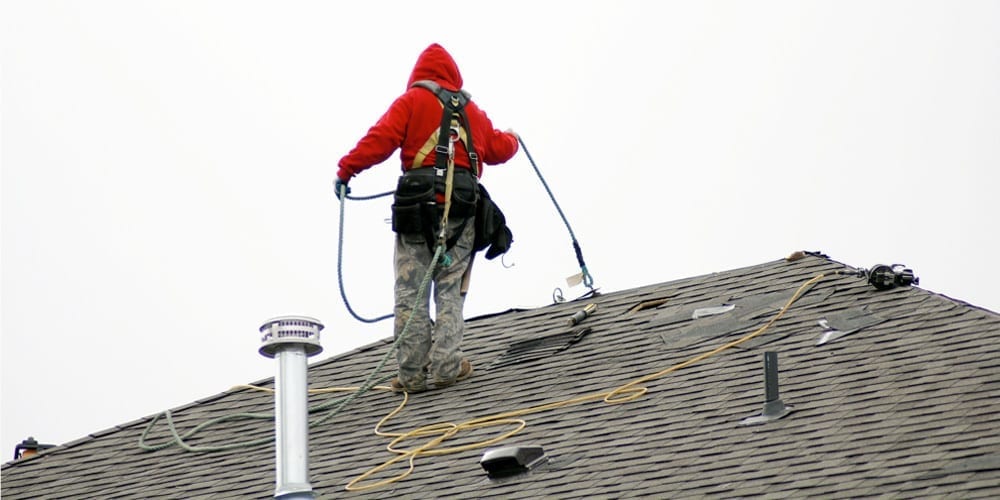
Commercial roofing companies don’t need more random website traffic. They need facility managers, property owners, general contractors, and operations teams actively looking for bids, repairs, inspections, coatings, or full replacements. That’s exactly why SEO for commercial roofers matters so much today.
In this space, one qualified lead can be worth tens of thousands of dollars. A single ranking page for the right search term can outperform broad paid ads, generic social media posting, and old-school directory listings combined. But commercial roofing SEO isn’t just “do local SEO and write a few blogs.” The strategy has to match B2B search intent, longer sales cycles, bigger contract values, and trust-heavy buying decisions.
At Divramis, our roofing SEO company team has spent over a decade helping roofing companies, contractors, and local home-service businesses climb Google’s rankings with white-hat strategies, transparent reporting, and measurable lead growth.
At Divramis, we’ve seen the same pattern across competitive industries: when SEO is built around revenue-driving keywords, location relevance, and credibility signals, organic traffic becomes a lead engine, not a vanity metric. Here’s how commercial roofers can turn Google rankings into better projects and higher-value contracts.
Why SEO Matters More For Commercial Roofing Than General Marketing
Commercial roofing is not a volume game in the same way residential roofing often is. You’re usually chasing fewer leads, but each one carries much higher potential value. That changes the math.
A Facebook ad might generate awareness. A truck wrap might build familiarity. Even PPC can help. But SEO reaches buyers when they’re already searching for services like commercial roof repair, flat roof replacement, or industrial roofing contractor near me. That intent is hard to beat.
And commercial buyers don’t hire lightly. They compare vendors, review project history, look for certifications, and often need internal approval before moving forward. If your website shows up repeatedly across service pages, location pages, your Google Business Profile, and educational content, you build familiarity before the first call.
That’s why SEO for commercial roofers tends to compound. A well-optimized page can rank for months or years, continuously bringing in leads without paying for every click.
How Commercial Roofing Search Intent Differs From Residential Leads
Residential searches are often reactive: “roof leak repair,” “storm damage roofer,” “roofing company open now.” Commercial searches are more specific and more deliberate.
A facility manager may search TPO roof repair for warehouse, commercial roof coating contractor, or flat roof maintenance plan for retail center. Those searches signal research, budget planning, and vendor evaluation. They also reveal service specialization.
So the content has to meet that intent. If a decision-maker lands on a generic roofing homepage with no commercial focus, no project examples, and no mention of membrane systems, coatings, or large-scale maintenance, they’ll bounce. Fast.
Build Service Pages Around High-Value Commercial Roofing Keywords
Your service pages should be the backbone of your SEO strategy. Not one catch-all “commercial roofing” page, multiple focused pages tied to real buyer searches.
Start with the services that actually drive revenue:
- Commercial roof repair
- Commercial roof replacement
- Flat roof repair
- TPO roofing
- EPDM roofing
- PVC roofing
- Roof coatings
- Preventive maintenance programs
- Roof inspections and leak detection
Each page should target a distinct primary keyword and closely related variations. For example, a commercial roof repair page can naturally include phrases like flat roof leak repair, emergency commercial roofing repair, and commercial roofing contractor for office buildings.
Read more: How to rank your site on Google — a business SEO guide
But don’t stop at keywords. Add proof. Include project photos, industries served, roofing systems worked on, warranty information, response times, and a strong call to action. If you’ve repaired a logistics hub, school, shopping center, or manufacturing site, say so.
The best commercial roofing service pages feel less like brochures and more like decision pages. They answer: Can you handle my building type? Do you understand this roofing system? Have you done this before? Can I trust you with a six-figure project?
Target Location Pages For Cities, Regions, And Service Areas
Commercial roofers rarely depend on one city alone. You may serve an entire metro area, multiple counties, or several industrial corridors. If so, your SEO structure should reflect that geography.
Create dedicated location pages for every meaningful service area: cities, major suburbs, regions, and nearby business districts. These pages shouldn’t be thin duplicates with the city name swapped out. Google sees through that, and so do buyers.
A strong location page includes:
- Services offered in that area
- Building types commonly served there
- Local project examples or case studies
- Service radius or dispatch details
- Localized testimonials if available
- Clear contact and quote CTA
For example, commercial roofing contractor in Athens should not read the same as commercial roofing contractor in Thessaloniki if those markets differ in property mix, climate, or service demand.
This is especially useful for businesses operating in Greece and internationally. Regional pages can help you capture demand where buyers search locally even when your company covers a wider territory. Done well, location pages expand visibility without diluting authority.
Strengthen Local SEO With Your Google Business Profile And Citations
For many commercial roofers, the Google Business Profile is an underused asset. That’s a mistake. Even B2B buyers use Maps results to validate legitimacy, compare nearby providers, and check reviews before they ever visit a website.
Your profile should be fully built out with accurate categories, service descriptions, business hours, phone number, website link, and defined service areas. Add real photos, not stock images. Show crews on site, finished flat roof systems, coatings in progress, drone shots, safety procedures, and branded vehicles.
Reviews matter too, especially ones that mention specific services or project types. A review saying “they replaced the membrane roof on our warehouse on schedule” is far more persuasive than “great company.”
Read more: How to rank your site on Google — a starter’s guide
Then there are citations: listings on reputable directories and industry platforms with consistent NAP data, name, address, phone. Inconsistent details weaken trust signals.
Local SEO improvements here often move faster than broader organic work. We regularly see Google Business Profile updates influence visibility within a few weeks, especially when paired with fresh photos, review growth, and stronger on-site location relevance.
Create Trust Signals That Help Commercial Buyers Choose Your Company
Commercial roofing buyers are risk managers as much as buyers. They’re not just asking, “Can this company do the job?” They’re asking, “Will this company create problems for me?”
That’s why trust signals need to be obvious across your site.
Start with the basics: licenses, certifications, manufacturer affiliations, insurance, safety standards, years in business, and team experience. Then go deeper with evidence that matters to commercial clients:
- Project galleries with building types listed
- Case studies with scope, timeline, and outcome
- Testimonials from property managers or business owners
- Warranty details
- Safety or compliance documentation
- Before-and-after photos
Even image optimization plays a role. File names and alt text like flat-roof-installation-office-building help reinforce topical relevance while improving accessibility.
Your About page should also do more than tell your story. It should explain your process, your quality controls, and what clients can expect from inspection through completion.
In commercial roofing, trust is often the conversion factor. Two companies may offer similar services, but the one that looks more credible online usually gets the call, and often makes the shortlist.
Publish Content That Supports Every Stage Of The Commercial Buying Cycle
Not every visitor is ready to request a quote today. Some are still diagnosing a problem. Others are comparing systems, budgets, or long-term maintenance options. That’s where content marketing earns its keep.
A smart content plan supports the full buying cycle.
Read more: How to remove a Google review and protect your business reputation
Top-of-funnel topics attract early research traffic:
- 5 maintenance tips for flat commercial roofs
- Signs your warehouse roof needs inspection
- Common causes of commercial roof leaks
Mid-funnel content helps buyers evaluate options:
- TPO vs EPDM for commercial buildings
- Roof coating vs replacement: which makes sense?
- How much does commercial flat roof repair cost?
Bottom-funnel content helps them choose a contractor:
- Questions to ask a commercial roofing company
- What to expect during a commercial roof replacement
- Commercial roofing timelines for occupied buildings
This kind of content builds topical authority and gives you more internal linking opportunities to service and location pages. It also works well for long-tail search terms that bigger competitors often ignore.
And yes, keep it practical. Facility managers don’t want vague theory. They want answers they can use in a meeting, budget review, or vendor shortlist.
Technical SEO Fixes That Improve Rankings And Lead Quality
Technical SEO is where a lot of commercial roofing sites quietly lose leads. Not because the design is ugly, though sometimes it is, but because the site makes it harder for Google and users to trust what they’re seeing.
Start with performance. Your site should load quickly on mobile, even with project photos. Compress images, use proper caching, and clean up bloated scripts. A slow website kills conversions, especially for buyers browsing between meetings.
Next, fix structure:
- Clear internal links between blogs, services, and locations
- One primary keyword target per page
- No duplicate or near-duplicate service pages
- Proper title tags and meta descriptions
- Logical heading structure
- Indexable pages only where needed
Keyword cannibalization is a common issue. If three pages are all trying to rank for commercial roof repair, Google may not know which one to prioritize.
Also check forms, click-to-call buttons, schema markup, crawl errors, and page indexing in Google Search Console. These aren’t glamorous fixes. But they improve rankings and lead quality because they reduce friction.
When technical SEO is handled well, every other part of the strategy performs better. That’s one reason white-hat campaigns, like the ones we prioritize at Divramis, tend to produce steadier long-term gains instead of short spikes.
Read more: How to win Google’s AI search and adapt your site now
How To Earn Backlinks In Competitive Commercial Roofing Markets
Backlinks still matter, especially in competitive local markets where several roofing companies have decent on-page SEO. But commercial roofers don’t need spammy link packages. They need relevant authority.
Start with foundational links:
- Reputable local directories
- Chamber of commerce listings
- Construction and contractor directories
- Manufacturer or supplier partner pages
- Local business associations
Then build links worth having. Publish assets people can reference, such as maintenance checklists, storm-prep guides for commercial properties, roofing lifespan comparisons, or case studies with measurable outcomes.
Partnerships help too. General contractors, property management firms, commercial real estate groups, and industry vendors may be willing to link to useful resources or featured projects.
Digital PR can work surprisingly well here. If you comment on severe weather risks, building maintenance trends, or roofing cost changes in your market, local publications may pick it up.
The key is relevance over raw volume. A handful of strong local and industry-specific backlinks can move rankings more than dozens of junk links. And if your internal linking is solid, the authority those pages earn can lift your service pages too.
Track Rankings, Calls, Form Leads, And Revenue From SEO
If you can’t tie SEO to revenue, it becomes easy to undervalue, or easy to waste money on the wrong things.
Start by tracking the basics: keyword rankings, organic traffic, Google Business Profile visibility, calls, contact form submissions, and quote requests. But go further. Tag leads by service type, location, and project value whenever possible.
Use call tracking so you know which pages generate phone inquiries. Set up conversion tracking in GA4 and connect Search Console data for page-level visibility. If your CRM allows it, track the full path from first organic visit to booked inspection to closed job.
This matters because not all leads are equal. Ten residential repair inquiries are not the same as one commercial roof replacement opportunity.
Read more: Is your site ready for AI search and the future of SEO
It also helps you set realistic timelines. Google Business Profile improvements may show movement in 2 to 6 weeks. Service pages and content often take 6 to 16 weeks, depending on competition, site health, and link authority.
The goal isn’t just higher rankings. It’s more qualified pipeline. When reporting connects SEO to booked jobs and revenue, decision-making gets much clearer.
In the end, SEO for commercial roofers works best when it’s treated like a growth system, not a checklist. Rank for the right services, in the right locations, with the right trust signals, and the leads get better.
Frequently Asked Questions about SEO for Commercial Roofers
Why is SEO particularly important for commercial roofing companies today?
SEO is crucial because commercial roofing targets high-value B2B leads actively searching for services like roof repairs or replacements. Optimized SEO attracts qualified facility managers and property owners, generating more valuable leads than broad ads or generic marketing.
How does search intent for commercial roofing differ from residential roofing?
Commercial roofing searches are more deliberate and specific, often including terms like ‘TPO roof repair for warehouse’ or ‘flat roof maintenance plan for retail center.’ Residential searches tend to be reactive, such as ‘roof leak repair’ or ‘roofer open now.’
What are the key elements to include on commercial roofing service pages for SEO?
Focus on distinct high-value keywords per page, showcase project photos, specify industries served, mention warranty info, and include strong calls to action. Address buyer concerns like experience with building types and roofing systems to build trust.
How can commercial roofers optimize local SEO beyond their website?
Optimizing the Google Business Profile with accurate info, real photos of projects and crews, and encouraging specific service-related reviews is essential. Also, maintain consistent NAP data in reputable local directories and industry listings to boost trust and visibility.
What types of content should commercial roofing companies publish to support the buyer’s journey?
Publish content for all stages: top-funnel articles like ‘5 Maintenance Tips for Flat Roofs’ for early research; mid-funnel comparisons such as ‘TPO vs EPDM for Commercial Buildings;’ and bottom-funnel guides like ‘Questions to Ask a Commercial Roofing Company’ to aid decision-making.
How can commercial roofing businesses track the success and ROI of their SEO efforts?
Track keyword rankings, organic traffic, Google Business Profile visibility, phone calls, form submissions, and quote requests. Use call tracking and conversion tracking tools to link organic leads to booked jobs and revenue, enabling clearer decision-making and strategy adjustments.
Read More
Discover more from FT:
- SEO For Escort Agencies: How To Grow Visibility Safely In A Restricted Niche
- Best Online Casino Slots Canada
- Scalerankings.com Review: Navigating the CTR Manipulation Tool
- Athens Escorts in Greece: The Definitive Guide to Premium Companionship
- Tours in Greece: Greece Tours & Trips for Unforgettable Experiences