Webmag has long covered the best of Greek travel, and few experiences match a road trip through the country’s wine country. Greek wine and vineyards offer something the New World cannot replicate — indigenous grape varieties cultivated on the same volcanic soils, limestone ridges, and sun-baked hillsides for more than three thousand years. This guide takes you through the major wine regions, introduces the grapes worth knowing, and gives you practical tools for planning cellar-door visits that go well beyond a single sip and a souvenir bottle.
Greece is not a monolithic wine destination. It is a patchwork of microclimates — cool, fog-hugged valleys in Macedonia to the north, bone-dry caldera soils on Santorini in the south. Understanding that geography is the first step to a genuinely rewarding vineyard trip.
Why Greek Wine Deserves Your Attention
For decades, Greek wine was dismissed outside its borders as holiday plonk — retsina in recycled bottles or anonymous house red served warm at beach tavernas. That reputation has been overturned. Greek winemakers educated in Bordeaux, Burgundy, and UC Davis returned home, invested in modern cellars, and began coaxing world-class expressions from varieties that exist nowhere else on earth. Assyrtiko from Santorini now commands serious attention from international critics. Xinomavro from Naoussa is spoken of alongside Barolo. Malagousia, a variety rescued from near-extinction in the 1970s, has become a darling of natural-wine circles across Europe.
Cellar doors are genuinely welcoming, prices remain far below equivalent quality in France or Italy, and the combination of historic landscape, local food, and exceptional wine makes for a trip that is almost impossible to replicate anywhere else on the continent. Webmag has covered these regions for years, and the verdict is consistent: Greece’s wine country is deeply underrated by international travellers.
The Major Wine Regions
Greece’s wine map stretches from Macedonia in the north to the Aegean islands in the south. Each zone has its own character and its own flagship grape.
- Naoussa & Amyntaio (Macedonia): Cool-climate reds built on Xinomavro — high tannin, high acid, tremendous aging potential, often compared to Nebbiolo.
- Rapsani (Thessaly): Structured reds on the slopes of Mount Olympus; one of Greece’s most dramatically situated PDO zones.
- Nemea (Peloponnese): Home of Agiorgitiko, Greece’s most widely planted red variety — ranging from juicy summer rosés to powerful altitude-grown reds.
- Cephalonia (Ionian Islands): Robola grape on limestone soils produces steely, mineral whites of remarkable precision.
- Santorini: The headline act. Basket-trained Assyrtiko vines on volcanic pumice, some vines genuinely centuries old. Vinsanto dessert wine also produced here.
- Crete: Diverse and vast — Kotsifali and Mandilari reds in the east, Vidiano and Thrapsathiri whites in the north.
Santorini: Vineyards on a Volcano
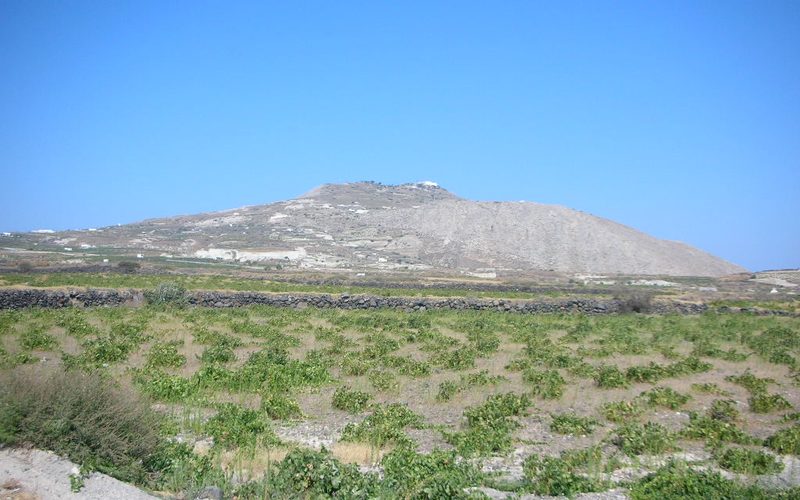
No wine landscape in Greece looks quite like Santorini. The vines are trained into low, basket-shaped “kouloures” that shield grapes from the fierce Aegean wind and collect overnight dew in a landscape that receives almost no summer rain. The volcanic pumice soils are phylloxera-free, meaning some vines are genuinely ancient without ever requiring grafting onto American rootstock.
Assyrtiko is the star — bracing acidity, volcanic minerality, and a salinity entirely its own. Estate Argyros in Episkopi Gonias is arguably the island’s most consistent producer. Santo Wines, the island’s cooperative, commands caldera views and offers one of the most accessible visitor experiences. Book cellar-door visits at least a week ahead in peak season; top estate slots fill fast.
Naoussa: Greece’s Answer to the Côte de Nuits
Naoussa sits in the foothills of Mount Vermio, about ninety minutes from Thessaloniki. Its grape, Xinomavro — “sour black” — is notoriously difficult in youth but produces wines of breathtaking complexity at maturity: dried roses, tomato leaf, dark cherry, and tannins that demand a decade of cellaring. Thymiopoulos Vineyards has become a cult favourite among natural-wine importers worldwide. Kir-Yianni and Boutari round out the essential estate visits. Pair your tasting with a regional taverna meal — Naoussa is also celebrated for its peaches and its slow-roasted lamb, both ideal companions to Xinomavro.
Nemea: The Peloponnese’s Red Wine Powerhouse
Nemea’s Agiorgitiko grape is remarkably versatile. At lower altitudes and higher yields it produces fresh, approachable rosés; at the region’s highest elevations, above 600 metres, low-yielding old vines produce deeply structured reds with the concentration to rival fine Rioja Reserva. Gaia Wines’ “Gaia Estate” at 900 metres is among the most celebrated Agiorgitiko producers. Skouras Estate, founded after winemaking studies in Dijon, offers an excellent range and one of the region’s best visitor facilities, including Moscofilero whites for contrast.
Island Hopping for Wine Lovers
Kos, in the Dodecanese, is known primarily for beaches, but the island’s interior supports small family wine producers. A half-day drive inland is a rewarding detour from the coastal circuit, and the island’s fertile soil also yields excellent local honey, capers, and herbs for the table.
Ikaria is one of the world’s Blue Zones — places where people routinely live past ninety — and the island’s wild-fermented, barely-stabilised local red is part of local lore around that longevity. The wine rarely leaves the island, but drinking it in a hillside taverna on Ikaria is an experience with no equivalent elsewhere in the Aegean.
Hydra, the car-free island in the Saronic Gulf, makes an excellent base for a wine-focused day trip to the Peloponnese by ferry. The contrast between Hydra’s immaculate 18th-century stone harbour and the working vineyards of Nemea just across the water is one of the most satisfying juxtapositions Greek island travel offers.
Kythira, perched at the southern tip of the Peloponnese between the Ionian and Aegean, has small-scale producers making unfussy wines from indigenous varieties. Visitor numbers are low even in summer, and a family-estate visit here feels far more intimate than the polished cellar doors of Santorini.
Skiathos in the Sporades is primarily a beach island, but its location puts it within ferry range of the Drama wine region on the mainland — one of Greece’s fastest-rising zones, producing serious reds from native and international varieties at altitude.
Key Indigenous Grapes to Know
- Assyrtiko — Santorini’s flagship white; electric acidity, volcanic minerality, ages brilliantly.
- Xinomavro — Macedonia’s great red; tannic, complex, built for the cellar.
- Agiorgitiko — Nemea’s versatile red; light rosé to powerful reserve depending on altitude and yield.
- Malagousia — aromatic white rescued from extinction; stone-fruit and floral notes.
- Vidiano — Crete’s rising white; rich texture, apricot and citrus.
- Robola — Cephalonia’s limestone-driven white; steely and precise.
When to Visit and How to Book
The Greek harvest (trygos) begins as early as late July on Santorini and runs through October in the cooler northern regions. Visiting during harvest is one of the great pleasures of wine travel — estates are buzzing, the mood is celebratory, and many producers welcome visitors to participate in picking. Contact estates directly a few months in advance to ask about harvest programmes.
Outside harvest, spring (April–May) is excellent: vines are budding, landscapes are green, roads are quiet, and estate teams have far more time for visitors than in high summer. Always book at least a week ahead in summer, two weeks for Santorini’s premium estates. Specify group size and ask about food pairings — many estates now offer a meze board alongside their tasting flight.
Food and Wine Pairings
Assyrtiko’s bracing acidity cuts through taramasalata and matches superbly with grilled octopus or fried squid. Xinomavro’s high tannin loves the fat of slow-roasted kleftiko lamb. Light Agiorgitiko rosé is the perfect companion to a long summer meze spread. Vinsanto — sun-dried Assyrtiko dessert wine — is the only logical choice alongside loukoumades or a plate of fresh figs. And aged Xinomavro paired with aged graviera cheese from Crete or Naxos is one of the most underrated food and wine combinations in all of Europe.
Practical Tips for the Vineyard Traveller
- Drive: most wine regions are inaccessible by public transport. A small SUV covers rural estate tracks comfortably.
- Ship, don’t carry: serious estates can arrange international shipping. Carrying six bottles of Xinomavro in overhead luggage is inadvisable.
- Buy the library stock: many estates hold older vintages at cellar-door prices well below specialist shop prices abroad.
- Eat at the estate: vineyard lunches in Greece are invariably excellent and priced well below equivalent experiences in France or Italy.
Wine Trip Planning Checklist
- ☑ Choose a primary region (Santorini, Naoussa, Nemea, Crete, or multi-region) and book flights accordingly.
- ☑ Reserve cellar-door appointments at your top three estates at least two weeks ahead.
- ☑ Book accommodation close to the wine town rather than a distant coastal resort.
- ☑ Arrange car hire and confirm whether chosen estates need an SUV or are accessible by sedan.
- ☑ Ask estates about harvest participation if visiting between August and October.
- ☑ Ask about shipping options before buying, so you know what you can realistically take home.
Frequently Asked Questions
What is the best Greek wine region for first-time visitors?
Nemea in the Peloponnese is the most accessible combination of quality, scenery, and visitor infrastructure. It is within two hours of Athens, the estates are well organised for English-speaking tourists, and Agiorgitiko’s stylistic range — from light rosé to serious aged red — gives newcomers an excellent overview without needing prior knowledge of Greek wine. Santorini is more famous but rewards visitors who already know a little about Assyrtiko.
Do I need to speak Greek to visit Greek wineries?
Not at all. Larger and mid-sized estates have English-speaking staff, and many winemakers have studied or worked abroad. At small family estates you may encounter language barriers, but a translation app and an enthusiastic smile remove most friction quickly.
When is harvest in Greece, and can tourists take part?
Harvest runs from late July (Santorini) through October (northern mainland). Many estates welcome harvest participants — contact them by email several months in advance. Some run formal paid programmes; others simply invite you to help for the morning in exchange for lunch and wine. Both are memorable.
How do I ship Greek wine home?
Most premium estates can arrange shipping to EU destinations with minimal complexity. Outside the EU — UK, USA, Australia — regulations vary; ask the estate’s export contact at the cellar door. Athens airport also has a specialist wine shop in departures where purchases can be packaged for checked luggage.
Is Greek wine expensive?
At the cellar door, Greek wine is one of Europe’s great bargains. Top Santorini Assyrtiko typically runs between €15 and €30 at source — a fraction of equivalent white Burgundy. Even the finest aged Xinomavros rarely exceed €40 at the winery. Restaurant markups are steep, so buying at the cellar door and asking about corkage at a local taverna is the smart strategy. Webmag’s travel coverage consistently highlights this value gap as one of the strongest reasons to visit Greek wine regions now, before wider discovery pushes prices up.